In today’s fast-paced, interconnected workplaces, the level of teamwork plays an important aspect in determining general success and satisfaction of employees. A cohesive, well-functioning group is able to produce amazing results, foster an environment that is positive and promote individual and collective development. In recognition of the importance of teamwork, organizations and individuals are turning to tools like TeamDynamics that provide insights into team dynamics and the value of personality tests to facilitate conscious and satisfying collaboration.
The core of team dynamics is:
The dynamics of a team is the relationship, interaction and behavior that shape the functioning a group. When teams are functioning efficiently, they are able to achieve better outcomes than a person could on their own. The dynamic of a group influence its ability to work together, communicate and resolve conflict. The dynamics of a team can impact the motivation and morale of its members, and also their productivity.
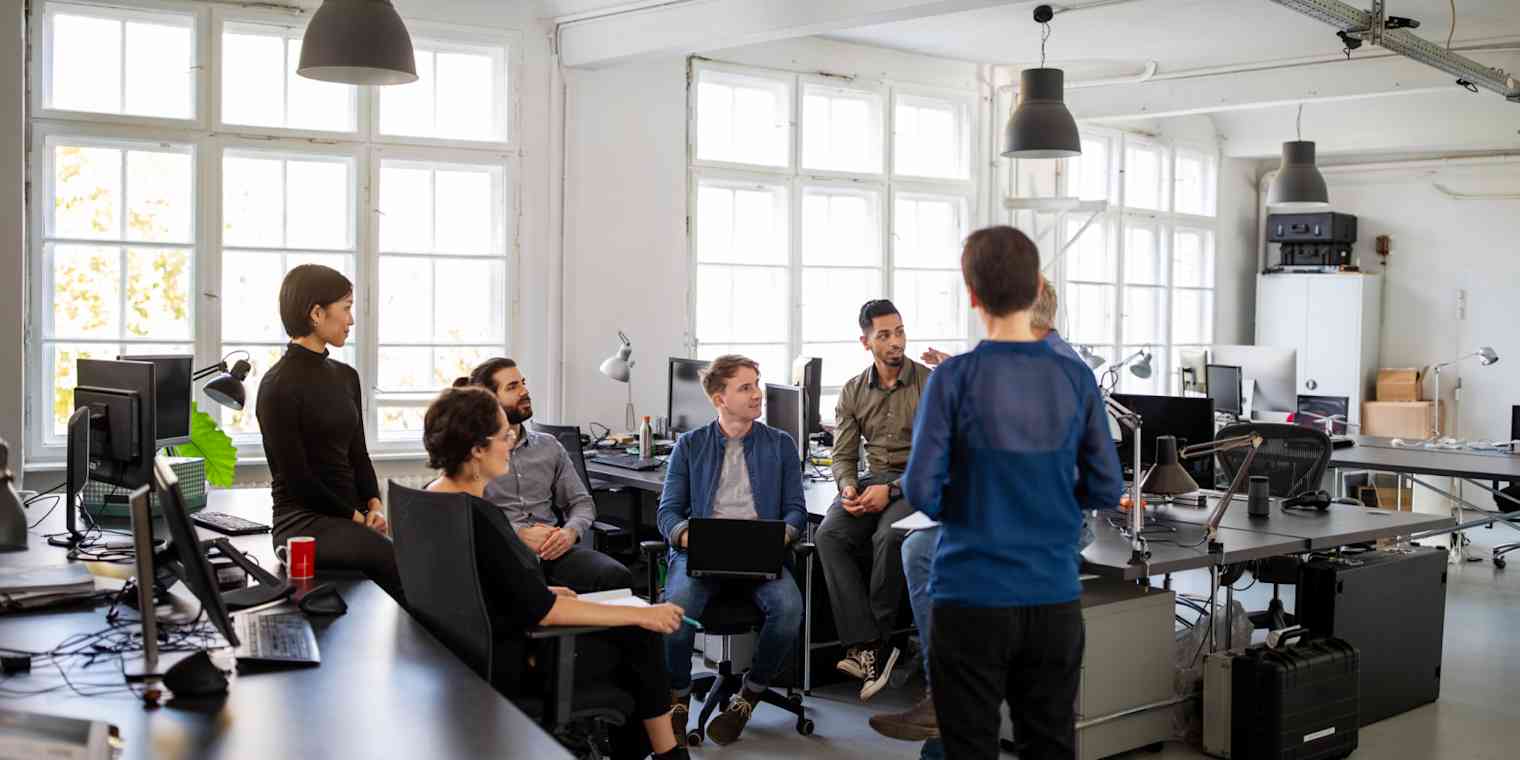
Teamdynamics is a method for intentional teamwork:
TeamDynamics is designed specifically for teams and those who believe in the power of transformation of teamwork that is intentional. It is more than just assembling people. It explores the dynamic and personality of the team as a unit. TeamDynamics lets teams and organizations leaders to gain valuable insight into the strengths, weaknesses and ways of communication among team members. This allows them to improve team performance, create an atmosphere of collaboration, and a mutually supportive environment.
The significance of personality tests for team members:
Team personality test for works are an essential component of TeamDynamics. These tests help to gain a better understanding of the team member’s personality, preferences and behavioral tendencies. In identifying team members’ particular traits, teams are able to utilize the diversity of their personalities to their advantage, ensuring that roles are assigned in a strategic manner and that the communication and collaboration process is enhanced.
Create cohesive and high-performing team:
Tests of personality and team dynamics for teams are developed to help to build high-performing, cohesive teams. Understanding the various personalities in the team allows the team leader to customize their style of leadership and communication style accordingly. Introverted members of a team might require different types of feedback or recognition than those who are more outgoing. In acknowledging and embracing these different requirements team leaders can create a welcoming and a supportive environment in which each member can thrive.
Improved communication and resolution of conflicts:
Conflicts will always occur in any team. But how you handle them will have a significant impact on the effectiveness of your team and its dynamics. Personality assessments can help identify the areas of conflict and give suggestions on how to deal with the issues. By understanding individual communication styles and preferences, team members can engage in more open and understanding communication, leading to faster resolution of conflicts and stronger team relations.
The stimulation of creativity and innovation within teams:
Diverse teams with different personalities are more innovative and imaginative. The complementary skills and perspectives offered by different personalities could lead to creative solutions and new ideas. Leaders of teams can utilize the results of personality tests to create well-rounded teams. Teams that thrive on each person’s strengths and create a culture that encourages imagination and creativity.
Employee satisfaction and engagement can be improved:
Engagement and satisfaction among employees are more likely to be higher when a group is able to appreciate and value each individual’s contribution. When employees feel appreciated loved, acknowledged, and valued for their work and contributions, they are more likely invested in their work and the accomplishments of the group. TeamDynamics is a great tool to build a positive and empowering team culture, which leads to more satisfaction with work and lower turnover.
The evaluation of team performance and its progress:
Reviewing team dynamics frequently and tracking progress will aid in identifying areas for improvement and celebrate team accomplishments. Team leaders can draw insights from personality tests to define roles, increase collaboration, or alter team strategies. Teams can remain agile and resilient through continuous monitoring of their group dynamics.
It is impossible to overstate the importance of having a well-integrated and high-performing team in the constantly evolving workplace. Team dynamics and personal tests are powerful tools that can help you understand the secret to successful teamwork. By being aware of and accepting the distinct personalities of the team, teams can improve collaboration, encourage innovation, and create an environment that makes employees feel valued and involved. TeamDynamics is poised for growth and will become a valuable source of value for organizations and individuals who value positive and deliberate teamwork. Team dynamics and personality assessments can help you build a strong teamwork.