Global sourcing has moved beyond just finding the cheapest or fastest-supplier. The issues facing buyers today are diverse: disruptions to the supply chain, concerns about sustainability expectations, concerns over quality and rapidly shifting market conditions. In such an environment, having a B2B marketplace that is solid is more than a convenience. It’s an imperative to do business with international partners.
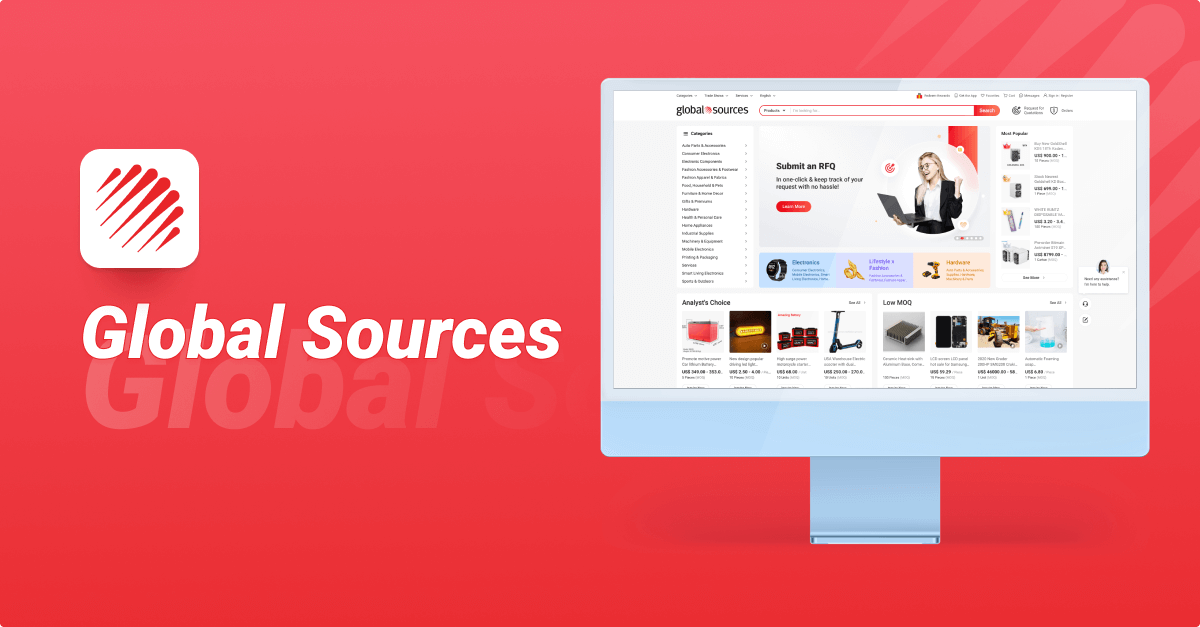
Modern B2B platforms for sourcing have been designed to solve real-world issues. Instead of overwhelming buyers with a plethora of listings it focuses on connecting authentic buyers with authentic suppliers that are prepared for long-term collaboration. The shift from quantity to quality has drastically altered how global trade relationships are established and maintained.
Suppliers are more than just simple listing
The traditional sourcing strategies were founded on a cold approach that relied on a lack of data and speculation. The buyers had to spend many weeks confirming, comparing and evaluating suppliers. A well-structured B2B online marketplace removes much of this friction by offering pre-verified supplier profiles, transparent product details, and access to historical performance indicators.
Context is the key element that adds value. Market intelligence and analysis of market trends, and expert insight help buyers not only understand what they need to purchase, but also when and why. These insights allow businesses to anticipate changes in demand, price fluctuations and new opportunities, instead of reacting later.
The Power of Online-to-Offline Sourcing
While technology is the primary source of modern sourcers, human interaction plays an important role in building trust. The Online-to Offline (O2O), model is a great method to achieve this. The Online-to-Offline (O2O) model allows buyers to research suppliers online and select their preferred partners quickly. They can then build their relationships by attending offline events like business matches and trade shows.
Being able to interact with products in person, discussing customization options face-to-face, and building rapport with suppliers often accelerates the process of making decisions. This offline experience is enhanced by digital platforms, apps that are designed for mobile devices, and central communications tools are utilized.
Assistance to buyers throughout the Sourcing journey
Once a buyer has found an appropriate supplier, a solid B2B platform doesn’t disappear. It can be beneficial by providing tailored advice, exclusive buyer programmes and community-driven initiatives. These tools help buyers discover new categories, look for the latest products, and gain access to opportunities that they would otherwise miss.
The buyers’ communities and incentive programs also help to create an atmosphere of continuousity. They encourage long-term relationships, sharing of knowledge, and repeated engagements rather than just single transactions. Over time, the eco-system approach builds trust and enhances the outcomes for all stakeholders.
Adapting to a Changing Global Market
Global trade is continuously affected by changes in the economy, regulatory changes, and shifting expectations of consumers. A customer-centric B2B online marketplace adapts to these changes by increasing digital capabilities, improving matching algorithms and developing analytics based on data.
Sustainability is also becoming a growing concern. Suppliers who practice ethical and ethical corporate practices are being sought after by buyers. By highlighting sustainable solutions and encouraging transparency modern sourcing platforms can help companies meet their commercial and social responsibilities without sacrificing effectiveness.
The trust of trusted connections can bring lasting value
A successful B2B platform is built around trust. Trust in the supplier’s authenticity as well as trust in the accuracy of information, and trust in a platform that is dedicated to providing long-term benefits. When these elements are paired, sourcing can be seen as a strategic asset instead of a risky or lengthy process.
A reputable B2B marketplace offers businesses more than just access to the market. They also can do so with the confidence to make decisions. Confidence to make informed decisions to build lasting relationships and continue to grow sustainable in an increasingly interconnected global economy.